Exploring Alaska's Stunning Wild Terrain: A Complete Guide to Adventurous Exploration in the US' Northern Gem
Discovering Alaska's wilderness provides a one-of-a-kind adventure travel experience, defined by its striking landscapes and abundant wildlife. This destination draws outdoor enthusiasts pursuing activities ranging from hiking to kayaking. That said, thorough preparation is vital to safely navigate its challenging terrain. Knowing the optimal times to visit, necessary equipment, and varied outdoor activities can elevate the experience. What awaits those who venture into this northern paradise? The experience promises wonders that transcend the everyday.
The Perfect Time to Discover Alaska's Wilderness
What is the best time to explore Alaska's breathtaking wilderness? The answer largely depends on the type of experience one seeks. Typically, the warmer months spanning late May through early September offer the best circumstances for discovery. Throughout these months, temperatures remain comfortable, falling between the mid-50s and mid-70s Fahrenheit, while extended daylight hours stretch into the evening, enabling lengthier excursions.
Summer brings particularly active wildlife, with the chance to witness migrating birds, bears, and whales. For winter sports enthusiasts, the period from late December through early March delivers magnificent snow-covered landscapes and activities like skiing and snowshoeing. However, this season requires a different set of preparations due to cold temperatures and shorter daylight hours. Ultimately, the ideal time to visit Alaska copyrights on the desired activities and personal comfort with varying weather conditions.
Must-Have Gear for Alaska
To fully enjoy Alaska's breathtaking landscapes, visitors must equip themselves with essential gear designed for the diverse conditions they may face. Premium water-resistant clothing is critical, as sudden rain and unpredictable weather can occur. Insulated layers provide warmth in colder conditions, while breathable fabrics help manage moisture during physical activities. Robust, weatherproof shoes are vital for traversing varied terrain, ensuring safety and comfort.
A reliable backpack enables systematic storage of supplies, including a first-aid kit, snacks, and navigational equipment. Binoculars improve nature watching, while a GPS device or compass is vital for finding your way in backcountry terrain. Moreover, a multipurpose tool can prove invaluable for a wide range of tasks. Lastly, a durable hydration system or water bottle is necessary to keep hydrated during explorations. With the right gear, explorers can truly experience Alaska's stunning scenery, guaranteeing a safe and memorable journey.
Top Outdoor Activities to Experience in Alaska
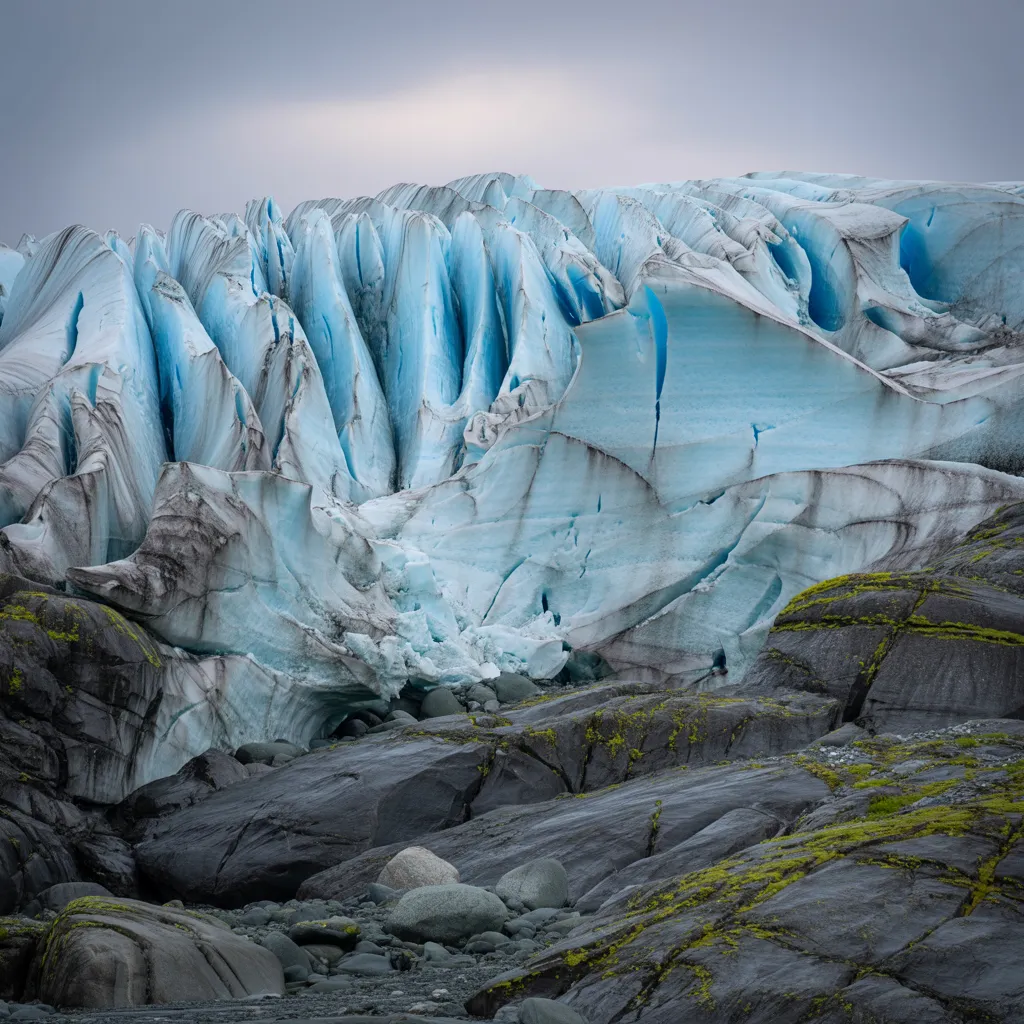
What exciting adventures can be found in Alaska's vast wilderness? Adventure seekers will find an abundance of activities to discover. Hiking is a popular choice, with paths varying from leisurely strolls to demanding backcountry treks. Glacial trekking provides a unique chance to cross breathtaking ice formations, while kayaking allows for close encounters with magnificent fjords and picturesque coastal scenery.
Avid anglers can cast their lines in crystal-clear rivers and lakes, presenting the chance for trout, salmon, and halibut. For a fresh adventure, tackling rugged terrains on a mountain bike takes the excitement to another level. Winter activities also stand out, with skiing and snowboarding drawing adrenaline seekers to snow-dusted mountain slopes.
In addition, dog sledding presents a classic Alaskan cultural experience, blending speed and teamwork. Each adventure not only showcases the awe-inspiring landscapes but also envelops thrill-seekers in the heart of the Alaskan wilderness, establishing it as a top spot for adventure seekers.
Unforgettable Wildlife Encounters in Alaska?
The wilderness of Alaska functions not only as an arena for outdoor pursuits but also as a protected haven for abundant wildlife. Tourists are frequently mesmerized by the chance to witness magnificent animals in their native environments. The state is home to iconic species such as grizzly bears, moose, and bald eagles, each contributing to its rich ecological tapestry.
In the summer months, the possibility of seeing humpback whales breaching in the coastal waters is a stunning experience. In the magnificent Denali National Park, wildlife enthusiasts can spot caribou migrating across vast landscapes, while the serene waters of the Kenai Fjords reveal playful sea otters and seals.
Avid birders will find delight in the countless migratory birds that gather in the region. Each interaction in Alaska's wild delivers an unforgettable experience, nurturing a deep admiration for the natural world and its creatures, making it a premier location for avid wildlife lovers.
Travel Planning Guide for First-Time Visitors
Travel planning for first-time visitors to Alaska necessitates careful consideration of essential destinations and essential packing tips. Such considerations ensure a remarkable experience in the state's expansive wilderness. By prioritizing key locations and preparing appropriately, travelers can completely embrace Alaska's unique offerings.
Essential Destinations to Explore
For those venturing into the breathtaking landscapes of Alaska as a first-time visitor, selecting the right destinations can greatly enhance the experience. Discovering Denali National Park showcases the majestic splendor of the tallest mountain in North America and chances to observe local wildlife. The scenic beauty of Seward, with its access to Kenai Fjords National Park, presents awe-inspiring glaciers and sea creatures. Anchorage provides a vibrant city experience, merging city life with nature exploration. Moreover, the serene splendor of Glacier Bay National Park mesmerizes guests with its remarkable fjords and varied habitats. Every location provides distinct adventures, making certain that first-time travelers carry cherished recollections of Alaska's extraordinary scenery.
Important Packing Tips
Having selected those essential destinations, strategic packing can tremendously benefit the Alaskan journey. First-time visitors should prioritize layers, as temperatures can fluctuate dramatically. A moisture-wicking base layer, insulating mid-layer, and waterproof outer layer will guarantee comfort in varying conditions. Durable, water-resistant boots are necessary for trekking and navigating challenging landscapes.
Additionally, carrying a sturdy backpack for day trips, a sustainable water bottle, and snacks will sustain explorers on the go. Insect repellent and first aid kits play a crucial role in ensuring safety and comfort. Enhancing the adventure is possible with binoculars for observing wildlife, a camera for scenic shots, and a helpful travel guide. In the end, a well-thought-out packing list can separate a rewarding experience from a troublesome one in Alaska's wilderness.
Remaining Safe While Venturing Into Alaska's Wild Side
While traversing the breathtaking yet unpredictable wilderness of Alaska, travelers must place safety first to ensure an unforgettable adventure. Preparation is key; travelers should familiarize themselves with the landscape and discover the facts climate patterns, as these factors can alter quickly. Carrying a detailed map, a reliable GPS, and a first aid kit is essential.
Encounters with wildlife, especially bears, demand careful attention. Familiarizing yourself with bear safety guidelines and keeping bear spray accessible can minimize potential hazards. Additionally, adventurers should travel in groups when possible and inform someone of their itinerary.
Should an emergency occur, having a means of communication, such as a satellite communication device, can be lifesaving. Recognizing the symptoms of altitude sickness and keeping well hydrated will also enhance safety. In the end, by honoring the wild environment and planning thoroughly, outdoor enthusiasts can completely embrace the magnificent grandeur of Alaska's untamed wilderness while keeping hazards to a minimum.
Frequently Asked Questions
What Are the Local Customs and Etiquette in Alaska?
In Alaska, residents value a strong connection to nature and community. Salutations tend to be warm but understated, with a preference for personal space. Gift-giving is appreciated, especially homemade items, demonstrating a strong bond with cultural traditions.
How Do I Access Remote Locations in Alaska?
To reach remote locations in Alaska, visitors frequently rely on ferries, snowmobiles, or bush planes. Native guides can deliver critical help, ensuring safe passage through challenging terrains and access to lesser-known destinations. Thorough planning is necessary.
Are There Any Unique Cultural Experiences in Alaska?
Alaska presents unique cultural encounters such as authentic Native Alaskan celebrations, native art classes, and traditional storytelling events. Visitors can engage with indigenous communities, obtaining a deeper understanding of their vibrant heritage and connection to the land.
What Are the Must-Try Regional Foods in Alaska?
The best regional foods to try in Alaska include fresh salmon, halibut, reindeer sausage, and various wild game. In addition, meals incorporating indigenous berries, like blueberries and cranberries, highlight the region's exceptional culinary traditions.
How Can I Minimize My Environmental Impact While Traveling?
To minimize your ecological footprint while traveling, one should make use of public transit, minimize waste, invest in local communities, choose eco-friendly accommodations, and honor local ecosystems. Sustainable practices improve the overall trip while preserving the location's natural character.